
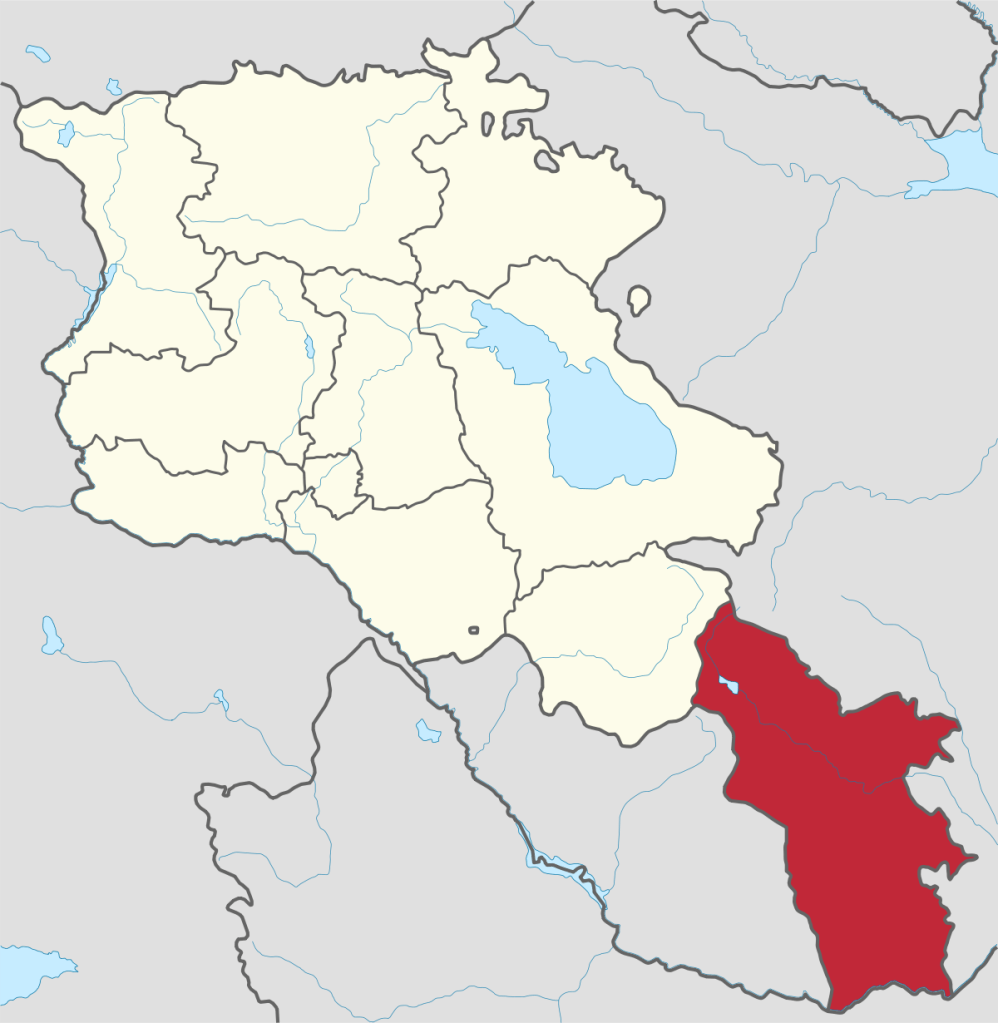
Syunik is the southernmost region that connects Armenia to Iran and includes the towns of Sisian, Goris, Kapan and Meghri. It is one of the most captivating regions of Armenia in terms of both its natural landmarks and its historical-architectural monuments. This region consists of nearly every climate zone in Armenia, including the warm valley of Meghri, the forested mountains of Kapan, and alpine meadows of Goris. Textile and carpet weaving have been preserved in some places across the region, while in others you may find stonemasons, cross-stone or khachkar carvers, carpenters, and potters.

Places to visit
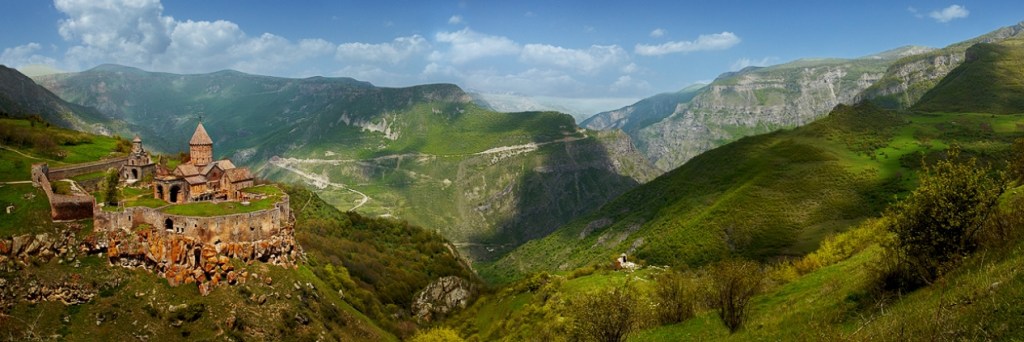
Here you can visit the Bronze Age settlement called Zorats Karer, hike to Ughtasar, and see the petroglyphs made by ancient people. You can visit the Tatev medieval monastery that was built between the 9th and 15th centuries, and do so via the TaTever ropeway, which is registered in Guinness World Records as the longest of its kind in the world. In the Old District of Meghri and in the central part of Goris, you may find yourself in the colorful environment typical of late 19th-century towns. Not far from Goris is the Old Khndzoresk cave-city. From the swinging bridge that leads to the caves you may enjoy a panoramic view of the city and the gorge.


The dishes of Syunik region
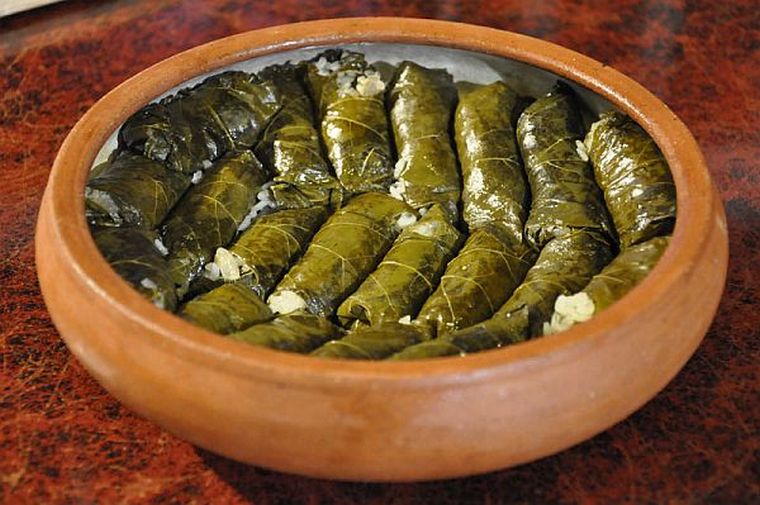
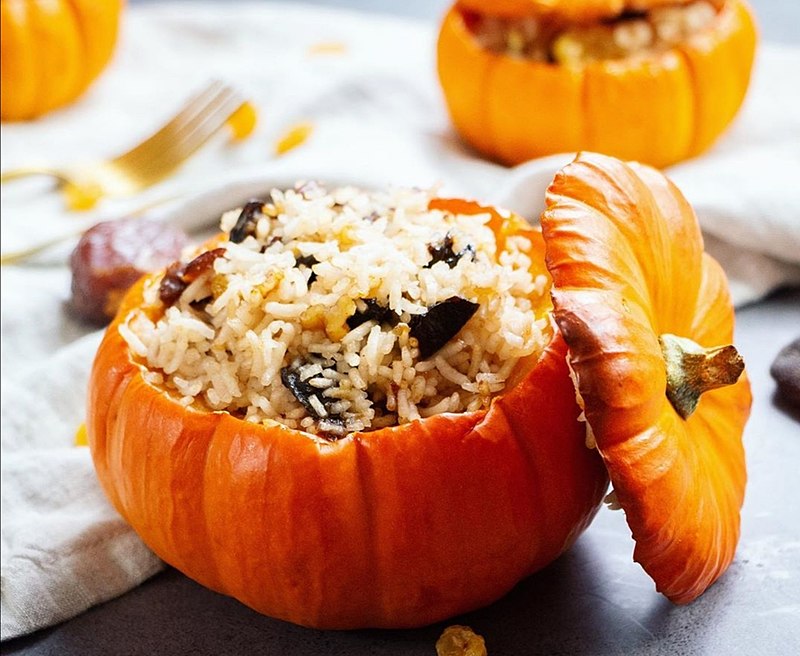
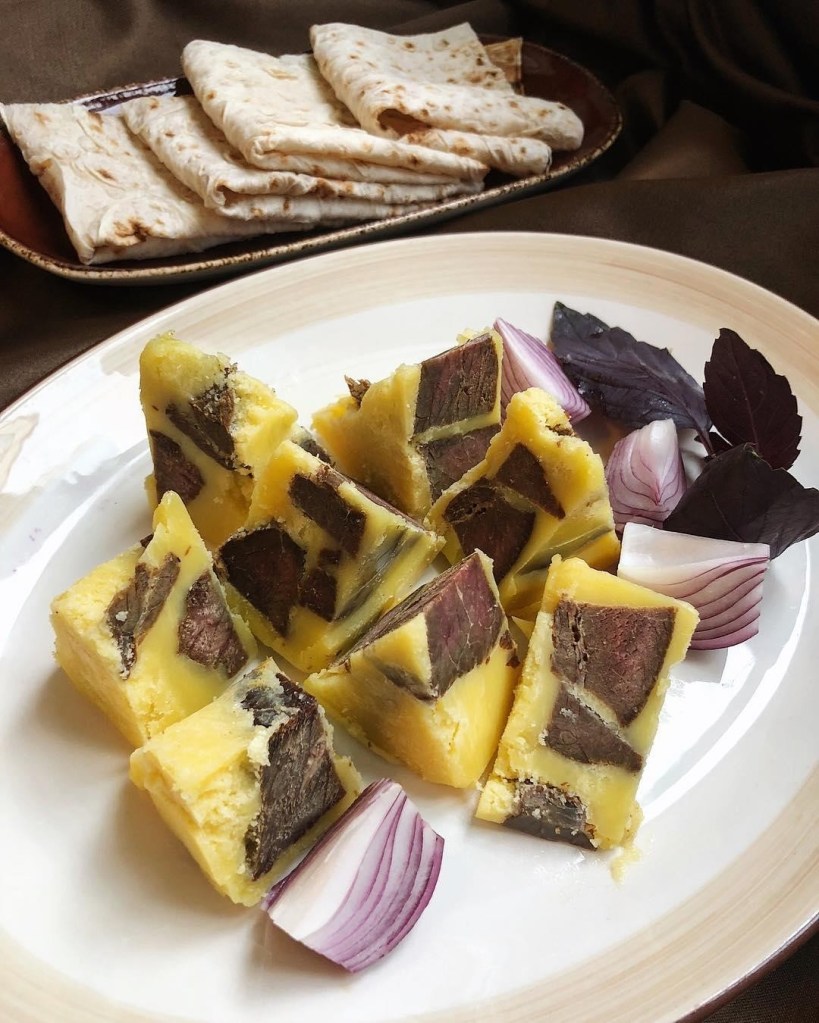
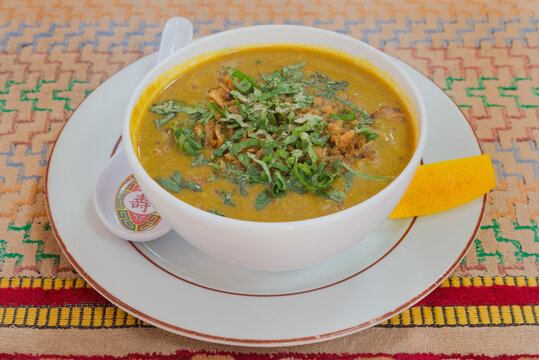
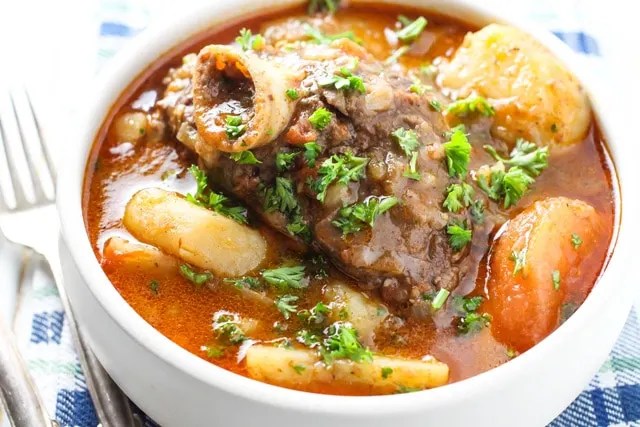
Syunik’s villages are very hospitable and in their small rural restaurants you may taste various local dishes such as the region’s tolma, ghapama, qyalagyosh, ghavurma, halim, dishes made from the famous Goris beans, summer khashlama with vegetables, and cheese that is seasoned with local herbs and aged in the ground in clay pots. All these can be enjoyed with local fruit vodkas among which Karahunj’s mulberry vodka is the most popular.

Syunik festivals
Mulberry Festival

Along the Silk Road where vodka and silk production was highly developed, the Syunik Goods Festival gathers together crafts and food from the province in Karahunj village.
The focal point of the festival is the famous mulberry vodka from Karahunj. The festival begins with mulberry gathering and includes the full process of vodka-making and tasting. Participants can then taste traditional dishes accompanied with Armenian song and dance while also browsing a market of locally-made and grown products.
On tables full local goods, each community in the province introduces its own products and traditional dishes including Sibekh (type of spinach), Ghavurma (traditional Armenian dish), and buttermilk.
The Mulberry Festival takes place in the regions of Armenia where mulberry grows in abundance, and locals have developed traditions of making mulberry products.
The celebration is mainly organized in Syunik region and in the vicinity of Amaras Monastery in Artsakh. The festival begins with the old tradition of mulberry shaking.
Guests can taste the goods on display at the exhibition, purchase them, as well as watch how mulberry vodka is distilled and mulberry doshab is made.

Raspberry festival

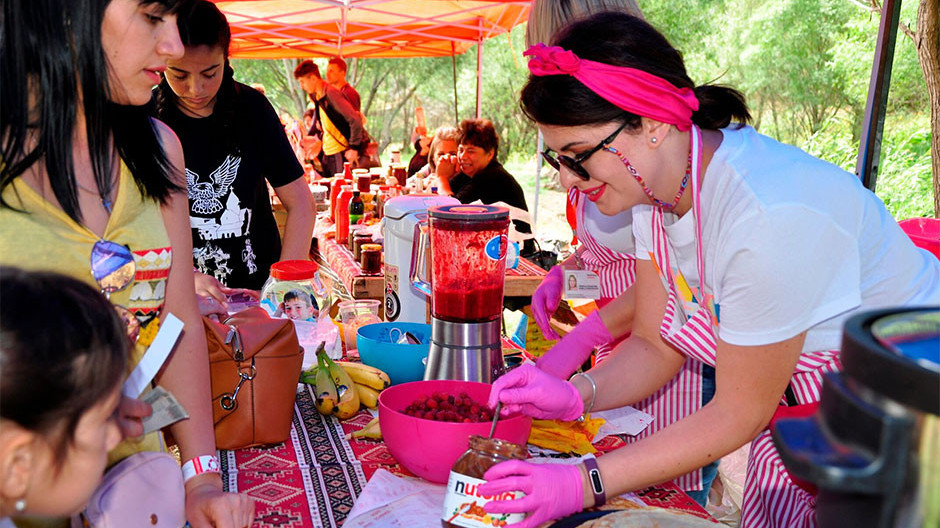
The annual Raspberry Festival is held in the Ashotavan community of Sisian, Syunik province, where—locals claim—the most delicious and sweetest raspberries grow.
During the Festival, which occurs in the midst of raspberry season, raspberry farmers gather in Ashotavan to present their raspberries, traditional Armenian gata, and other delicious dishes.
If you’re attending the Raspberry Festival, expect your day to be full of surprises, competitions, and awards. Buy raspberries and other products directly from the villagers to bring a part of the Festival back to your home.

Sheep shearing festival
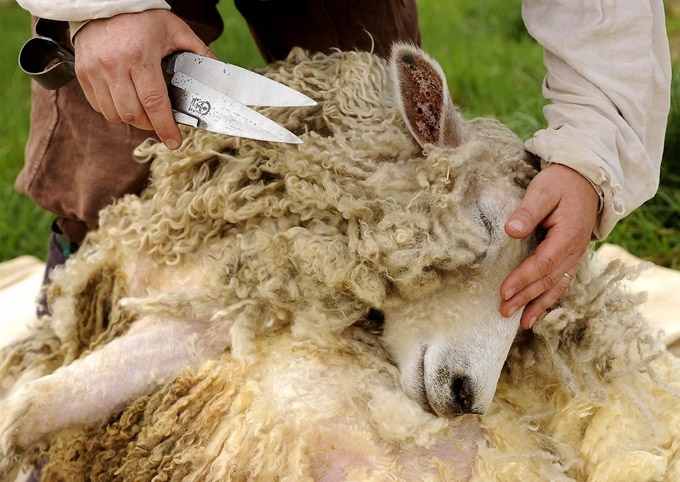
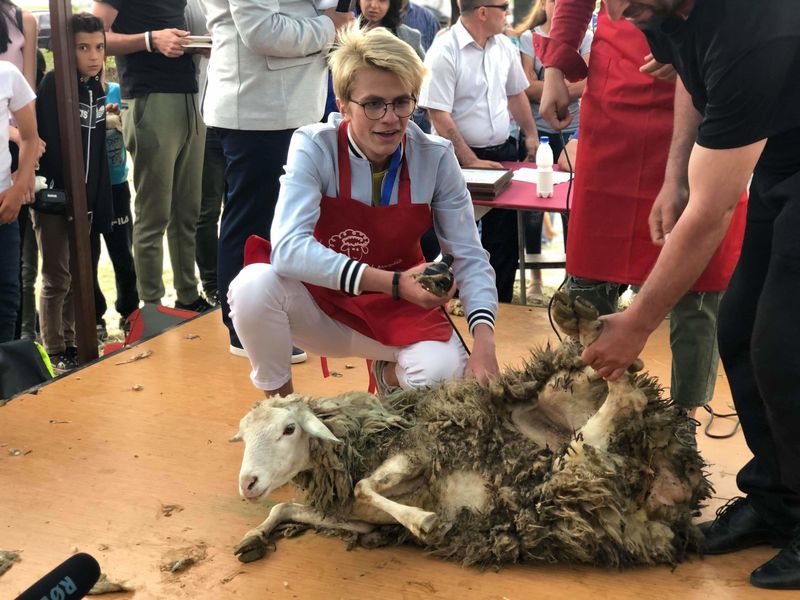
Summer is here, and so are the cool festivals all around Armenia. Sheep Shearing Festival in Khot village settlement of Tatev community of Syunik region first took place 5 years ago.
In general, sheep need shearing twice a year. Before the shearing starts, participants feed the sheep to make sure it is not afraid of the process. Participants use traditional scissors for the shearing.
After the shearing, the sheep fur undergoes a special process so that local artisans can make a carpet of it. During the festival, skillful artisans conduct a master class on how to make a carpet from sheep fur.
Tourists can enjoy an open-air fair and exhibitions on the “sheep” theme. Armenian folk music and dances are an inseparable component of the festival.
Syunik region is the best place for the festival because sheep farming is on a high level there. The region is home to such tourist attractions as Tatev Monastery and other sites.
The main purpose of the event is to promote local products, traditions and culture of Vayots Dzor,
Syunik, Shirak, Lori, Gegharkunik regions of Armenia, as well as to develop rural tourism, which
will contribute to the economic development of both regions.

Traditions
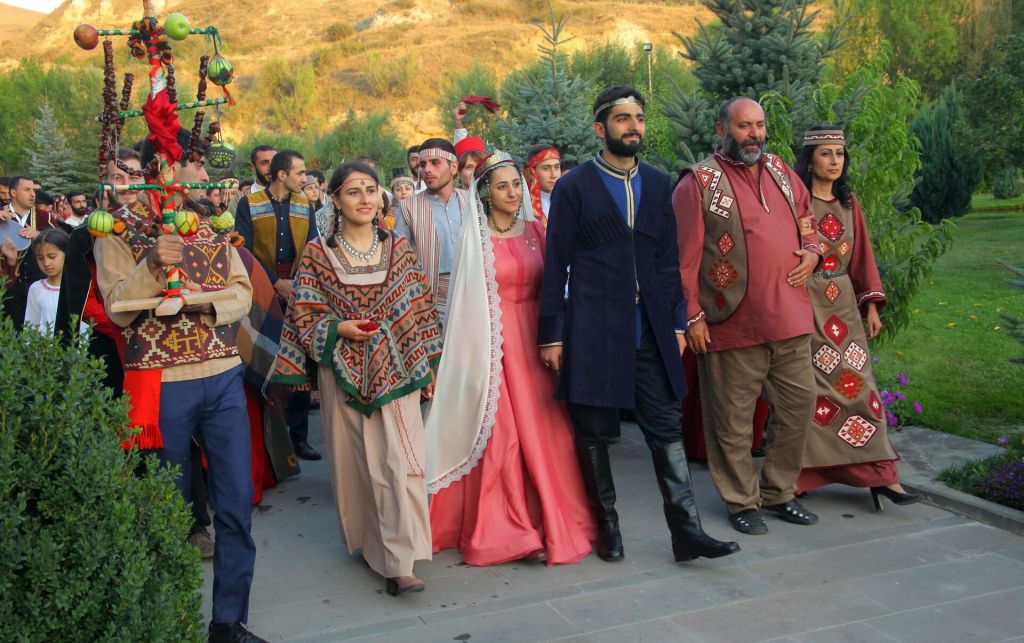
Armenia is full of traditions, some of which are even saved to our days. Each region of Armenia had its own traditions, even though in most cases they were familiar or even the same. In this article, we will talk about a few traditions in Syunik region that I find interesting to know.
Before the wedding, people used to clean the house, the microcosm, so that the bride would stand under the starry sky while entering the house, expecting harmony, a happy marriage and a prosperous future. After cleaning and tidying up the house, they made space images with flour on the ceiling and pillars of the house: stars, sun, moon. That ritual illustration was done by the Honorary Auntie, again receiving a gift. Among the gifts for men, the following items of clothing were important: socks and leggings, as well as a handkerchief. Honorary Uncle was given a bottle of vodka, chicken, arkhalig or shoes as a gift.
Honorary Auntie used to tie a crown over the headscarf; patterned ribbon with multicolored tassels.
First, the wedding outfit sent by the boy to the girl’s house was blessed. Along with that, the sweets, sugar, boy’s hat and the sword of the Honorary Uncle were blessed on the same tray. This was followed by the shaving of the boy’s face, they cut his hair short, dipping his finger in the wine that the Honorary Uncle held in his right hand, a lighted candle in his left hand. It was a dedication rite of passage by which a boy passed from a liminal state to a new, marriageable age group. The one who brought the wedding outfit was also given a gift in the form of a handkerchief and a sock. The girl presented a belt and a hat. Honorary Uncle handed over the wedding outfit to the woman dressing the bride, giving a gift in the form of a few drams. The bride was dressed in the room of the house.
Source
Mariam Shakhverdyan
Anahit Abgaryan
Ani Barseghyan
 Մարիամ Շախվերդյան