
George Byron.20.04-30.04
George Byron.20.04-30.04

George Byron – about Armenia and Armenians
Read, translate, choose new words for vocabulary and write their definitions
Vocabulary
advantage – 1. a thing that helps you to be better or more successful than other people
2. a quality of something that makes it better or more useful
vice – behaviour that is evil or immoral; a quality in somebody’s character that is evil or immoral
clarity – 1. the quality of being expressed clearly
2. the ability to think about or understand something clearly
gentleness – the quality of being calm and kind
piety – the state of having or showing a deep respect for somebody/something, especially for God and religion; the state of being pious
secular – not connected with spiritual or religious matters
expel – to force somebody to leave a country
consequence – a result of something that has happened, especially an unpleasant result
oppression – cruel and unfair treatment of people, especially by not giving them the same freedom, rights, etc. as other people
regardless – paying no attention, even if the situation is bad or there are difficulties
fate – the things, especially bad things, that will happen or have happened to somebody/something
fascinating – extremely interesting and attractive
descend – to come or go down from a higher to a lower level
bliss – bliss
ash – what is left after something has been destroyed by burning
surface – the top layer of an area of water or land
misfortune – bad luck
Learn to tell (you can choose 1 or two subtitles)
choose one, learn it and make a video while reading
Your Ancestors:20.04-30.04
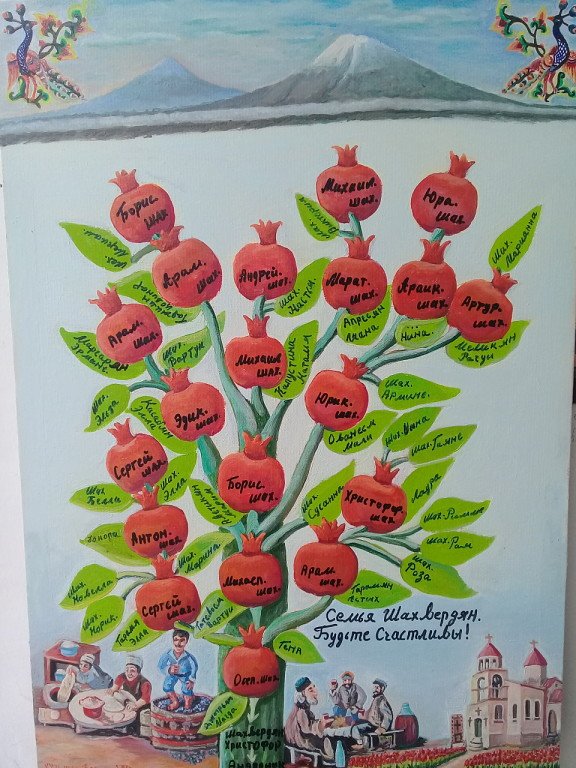
Take an interview from your grandparents and write about the origin of your family.
Build your family tree.
Grammar: Prepositions to, into, by
Exercises
1.Put to/at/in where necessary.
1. What time does the train get to London?
2. What time does the train arrive in London?
3. What time did you get at home last night?
4. What time do you usually arrive at work?
5. When did you get to the cinema?
6. We arrived at home feeling very tired.
7. Have you ever been to China?
8. We had lunch at the airport while we were waiting for our plane.
9. He has just returned to France.
10. Are you going to that party next week?
2.Put in/to/into where necessary.
1.Three people were taken to hospital.
2.Shall we take a taxi to the station or shall we walk?
3. I’m tired. As soon as I get into home, I’m going to bed.
4.Welcome to the hotel. We hope you enjoy your stay here.
5. He opened the door and I got in the car.
6. A bird flew into the kitchen through the window.
7.Don’t wait outside! Come into the house.
3. Complete the sentences using by+ one of the following words.
Chance credit card chance hand mistake
1. We hadn’t arranged to meet. We met by chance.
2. I didn’t intend to take your umbrella. I took it by mistake.
3.If you haven’t got any cash, you can pay by credit card.
4. I never suspected anything. It was only by chance that I found what had happened.
5. I didn’t put the pullover in the washing machine. I washed it by hand.
4.Put in by/in/on/ or with
1. He usually goes to work by bus.
2. I saw Jane. She was on the bus.
3. How did you get here? Did you come by train?
4. Sorry, we are late. We missed the bus, so we had to come by foot.
5. I came home in a taxi.
5.” Romeo and Juliet” is a play by Shakespeare.
7. “War and Peace” is a book by Tolstoy.
9. I don’t mind going there by car, but I don’t want to go in your car.
10. I know that music is by Beethoven, but I don’t know how it is called.
11. The photo is taken by a friend of mine.
12. There was a small table on the bed with a lamp and a clock on it.
 Մարիամ Շախվերդյան